


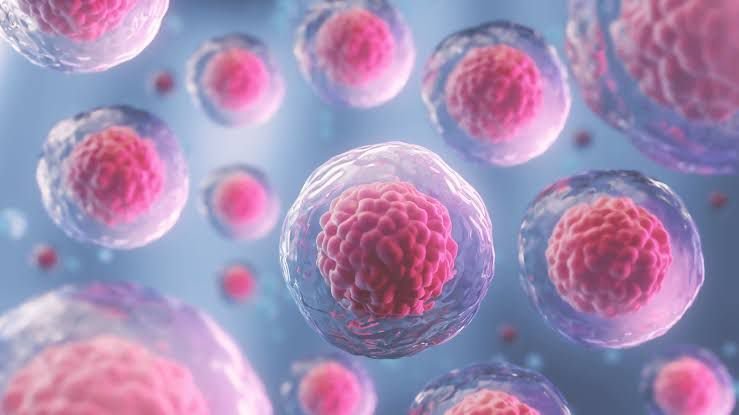
Stem cells are special cells found in the body that have the ability to develop into different types of cells. They can be derived from two main sources: adult tissue (adult stem cells) or embryos (embryonic stem cells). Adult stem cells are found in different tissues throughout the body, while embryonic stem cells are derived from early-stage embryos, typically a few days old. Stem cells are capable of dividing and renewing themselves for many years and can become specialized to form a variety of tissues, such as skin, bone, muscle, and blood. Stem cells are widely used in medical research and have many potential implications for the treatment of various diseases and disorders.
How do Stem cells work?
Stem cells are an important and powerful tool in medicine as they have the ability to differentiate into a variety of specialized cell types. Stem cells are unspecialized cells that have the potential to develop into several different cell types when placed in the right environment. They can be stimulated and directed towards whatever type of cell the medical team wants them to become. For example, stem cells can be transformed into muscle cells to heal damaged tissue or enforce weakened tissue. Additionally, stem cells can be reprogrammed into stem cells that can form a wide range of tissues, such as heart muscle cells or liver cells, so that surgeries that require new organs can be performed. In short, stem cells are capable of being manipulated to perform a number of important medical cures and treatments.
Role of stem cells in healthcare?
Stem cells are playing an increasingly important role in healthcare. These cells can be used to repair or replace damaged tissue and organs, and to treat a variety of medical conditions. Stem cell therapies can be used to treat conditions such as degenerative diseases, autoimmune diseases, and some cancers. They can also be used to repair damaged organs or tissues, such as when restoring sight to a patient with macular degeneration or heart muscle to a patient with heart failure. Stem cells have the potential to revolutionize medical treatments, helping to cure and manage existing conditions and build healthier lives for patients around the world.
Unique properties of stem cells?
Stem cells are primal cells that are capable of self-renewal, differentiation, and regeneration. They are highly versatile and are essential for tissue repair and regeneration. Some of their unique properties, which makes them so valuable, include their ability to divide and differentiate into special types of cells, including neurons, muscle cells, or red blood cells, their stability and long-term persistence, and the ability to form large colonies. Stem cells also have the capability to self-renew, which means they have the ability to form an indefinite number of cells. Furthermore, stem cells can be used to treat a variety of diseases and conditions, such as leukemia, spinal cord injury and Parkinson’s disease.
What is stem cell banking?
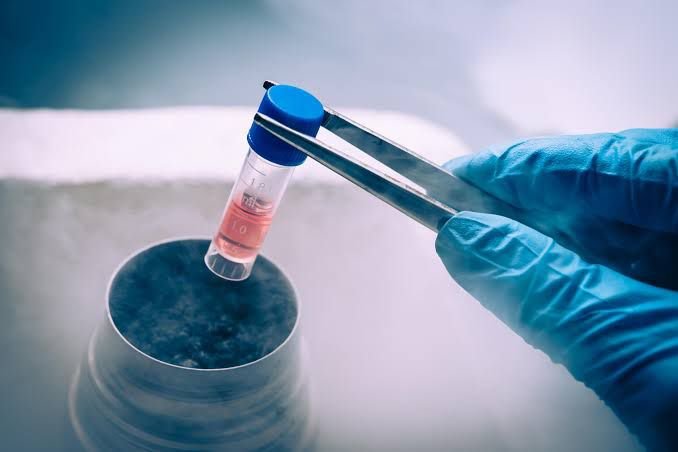
Stem cell banking is the process of collecting and storing a person’s stem cells for future use in medical treatments. Stem cells are the building blocks of the body and have the potential to become any type of cell needed to repair or replace damaged tissue in the body, making them a valuable resource for treating diseases and medical conditions ranging from leukemia and other cancers to heart disease and diabetes. The process of collecting and storing stem cells typically involves a simple blood draw, and the cells can be frozen and stored until they are needed, potentially in the future if the person develops a disease or condition that stem cells could help treat. Stem cell banking is an important and powerful way to preserve a person’s healthy stem cells for potential future use.