

By using this site, you agree to the Privacy Policy and Terms of Use.
Accept
Weekly DailyWeekly Daily
Notification Show More
Latest News
An Inside Look at the Operational Discipline Behind India’s Fastest-Growing Home Interior Brand, Classic K3 Design Interiors
April 16, 2026
Raaswin Group’s Lucia Financial Services Appoints Bharat Tagaram as CEO; Targets ₹300 Crore Valuation by 2028
April 1, 2026
Finding your Voice in B2B-Lessons that shape Modern Marketing by Rohan J. Tonde, published by BookMyStory
March 30, 2026
From Silicon Valleys to Indian Valleys: How One Engineer Built PushMyCart to Deliver India Across the Globe Special Feature
March 20, 2026
SheIVF: Empowering Patients with Reliable Information on IVF and Surrogacy in India
March 18, 2026
Aa
  • Home
  • Insider
  • Politics
  • Startup
  • Discover
  • Brand Stories
Reading: Indian Lawyer and Research Scholar Discusses Religious Death Practices at International Conference in Madrid
Share
Aa
Weekly DailyWeekly Daily
  • ES Money
  • U.K News
  • The Escapist
  • Entertainment
  • Politics
  • Technology
  • Insider
Search
  • Home
  • Insider
  • Politics
  • Startup
  • Discover
  • Brand Stories
Follow US
Home » Blog » Indian Lawyer and Research Scholar Discusses Religious Death Practices at International Conference in Madrid
Brand Stories

Indian Lawyer and Research Scholar Discusses Religious Death Practices at International Conference in Madrid

Published May 27, 2024
Last updated: 2024/05/27 at 9:43 AM
Share
SHARE

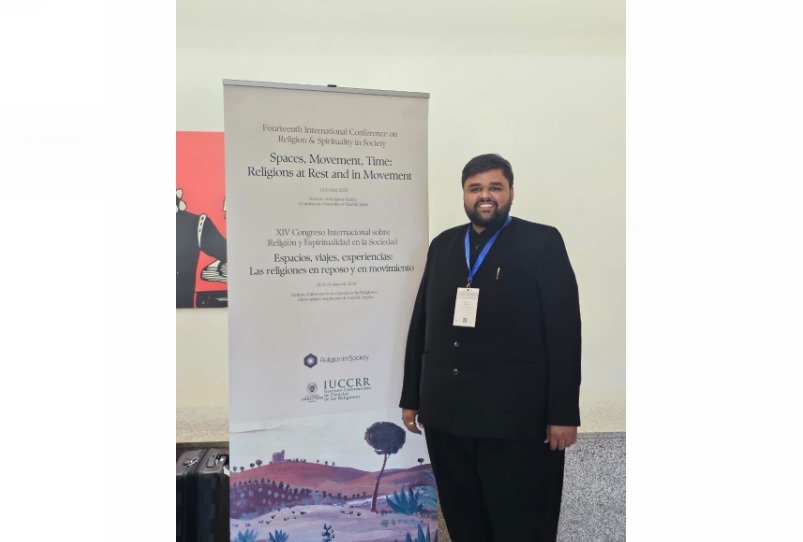
Indian lawyer and research scholar Rishabh Gandhi presented a thought-provoking talk at the Fourteenth International Conference on Religion & Spirituality in Society, held at the Universidad Complutense Madrid. His presentation, titled “Ethical Legal Dimensions Of Religious Death Practice of Samadhimaran in Jainism And Hinduism,” provided a detailed analysis of the historical, ethical, and legal aspects of these ancient practices.

Gandhi delved into the practice of Sallekhana in Jainism, explaining its roots in Jain Aagamas and its significance in the pursuit of Moksha, or liberation. Sallekhana involves a voluntary and gradual reduction of food and liquid intake, usually undertaken by elderly or terminally ill individuals, with the goal of achieving death with equanimity through deep meditation and detachment. He noted that this practice has been part of Indian tradition for over 2500 years.

Similarly, he discussed Prayopavesa in Hinduism, a practice that has become nearly obsolete. Prayopavesa, like Sallekhana, involves fasting unto death and is performed by those who believe their life purpose is complete. Gandhi traced its origins to ancient Hindu Puranas, emphasizing its spiritual aim of attaining Moksha.

A significant portion of Gandhi’s presentation addressed the bioethical and legal implications of these practices. He highlighted the voluntary nature and spiritual motivations behind them, countering arguments that equate them to suicide. This led to a discussion on the legal challenges surrounding these practices, particularly the 2015 Rajasthan High Court ruling that banned Sallekhana, categorizing it as an attempt to suicide. The Supreme Court of India’s stay on this ruling has kept the debate alive, focusing on the right to die as part of the broader rights to life, privacy, and freedom of religion.

The audience at the conference displayed a high level of curiosity, engaging Gandhi with numerous questions about the ethical, legal, and bioethical dimensions of these practices. Gandhi’s thorough and thoughtful responses were well-received, contributing to a deeper understanding of the complex issues involved.

The conference, organized by Common Ground Research Networks, saw participation from representatives of 32 countries, highlighting its international scope. The conference emphasized the importance of such discussions in today’s global context, where the intersection of religious freedom and legal rights remains a contentious issue.

The post Indian Lawyer and Research Scholar Discusses Religious Death Practices at International Conference in Madrid appeared first on Borok Times.

You Might Also Like

An Inside Look at the Operational Discipline Behind India’s Fastest-Growing Home Interior Brand, Classic K3 Design Interiors

Raaswin Group’s Lucia Financial Services Appoints Bharat Tagaram as CEO; Targets ₹300 Crore Valuation by 2028

Finding your Voice in B2B-Lessons that shape Modern Marketing by Rohan J. Tonde, published by BookMyStory

From Silicon Valleys to Indian Valleys: How One Engineer Built PushMyCart to Deliver India Across the Globe Special Feature

SheIVF: Empowering Patients with Reliable Information on IVF and Surrogacy in India

May 27, 2024
Share this Article
Facebook Twitter Whatsapp Whatsapp LinkedIn Email Copy Link Print
Leave a comment

Leave a Reply Cancel reply

You must be logged in to post a comment.

You Might Also Like

An Inside Look at the Operational Discipline Behind India’s Fastest-Growing Home Interior Brand, Classic K3 Design Interiors

April 16, 2026

Raaswin Group’s Lucia Financial Services Appoints Bharat Tagaram as CEO; Targets ₹300 Crore Valuation by 2028

April 1, 2026

Finding your Voice in B2B-Lessons that shape Modern Marketing by Rohan J. Tonde, published by BookMyStory

March 30, 2026

From Silicon Valleys to Indian Valleys: How One Engineer Built PushMyCart to Deliver India Across the Globe Special Feature

March 20, 2026

2023 © Weekly Mail Network. All Rights Reserved.

Removed from reading list

Undo
Welcome Back!

Sign in to your account

Lost your password?